
In short
- Lover's Beach faces the calm Sea of Cortez and allows swimming.
- Divorce Beach faces the Pacific Ocean and has deadly rip currents.
- You can easily walk between the two connected beaches.
In this article
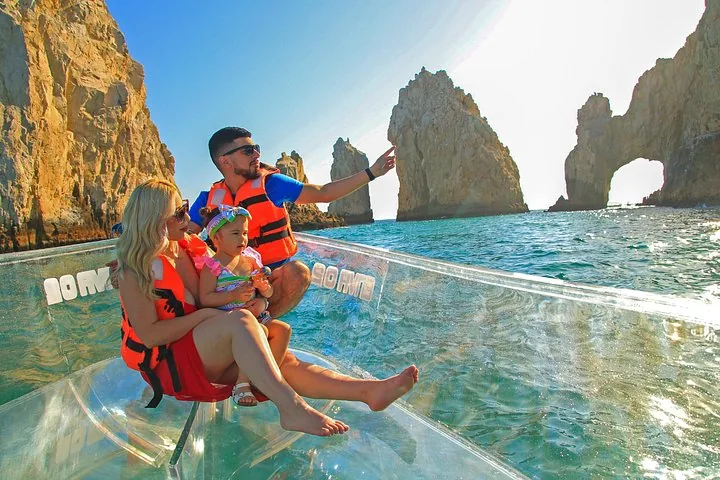
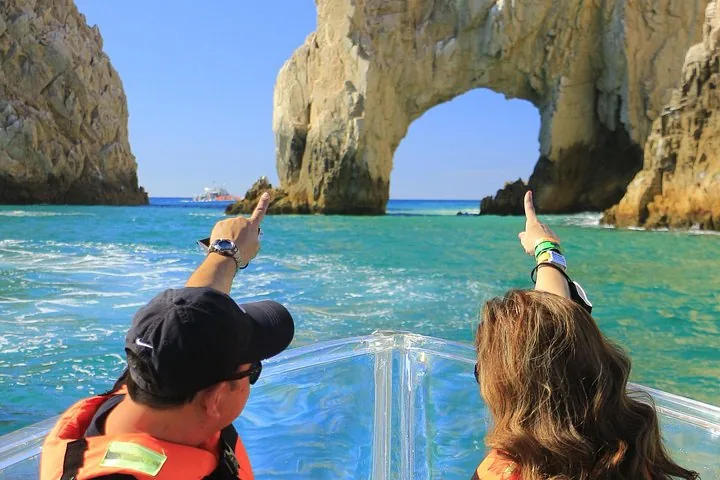
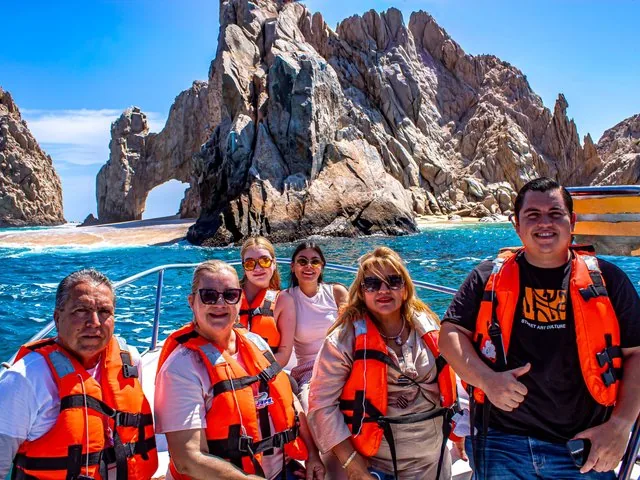
When you take a boat to Land's End, you will likely stop at the Twin Beaches. These two connected coves sit among the granite rock formations near the Cabo Arch. While they share the same sand, their water conditions are completely opposite.
What is Lover's Beach?
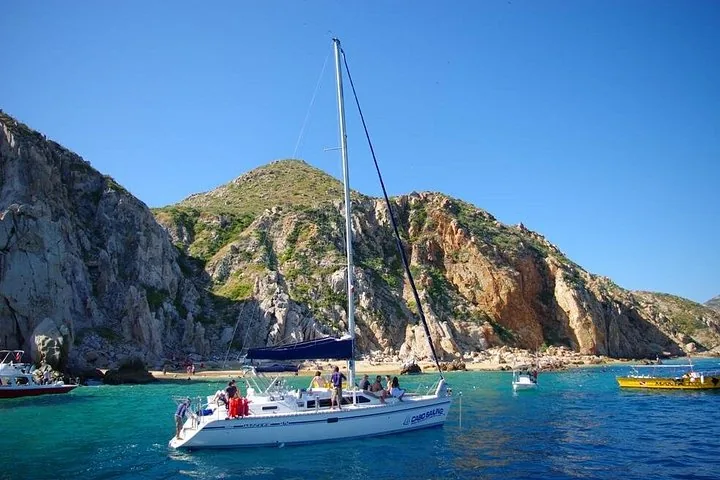
Lover's Beach (Playa del Amor) is a sheltered sandy cove on the Sea of Cortez side.
It has calm waters that are safe for swimming. Visitors typically spend 1 to 2 hours relaxing here. Water taxis frequently drop passengers off directly on the sand. You should arrange a specific pickup time with your captain.
What is Divorce Beach?
Divorce Beach (Playa del Divorcio) is the contiguous beach facing the open Pacific Ocean.
It is famous for thunderous, sweeping waves. You only need about 20 minutes to view this side. The ocean here is incredibly dangerous, and visitors strictly stay on the sand.
Can you swim at Divorce Beach?
No, swimming is strictly prohibited at Divorce Beach.
The Pacific side has deadly rip currents and rogue waves. Under no circumstances should you swim or wade in the water here. You must stay safely on the shore.
What are the main differences between the two beaches?
The main differences come down to location, water safety, and ocean access.
Lover's Beach is protected from heavy surf. Divorce Beach takes the full force of the Pacific Ocean.
How do you get to the Twin Beaches?
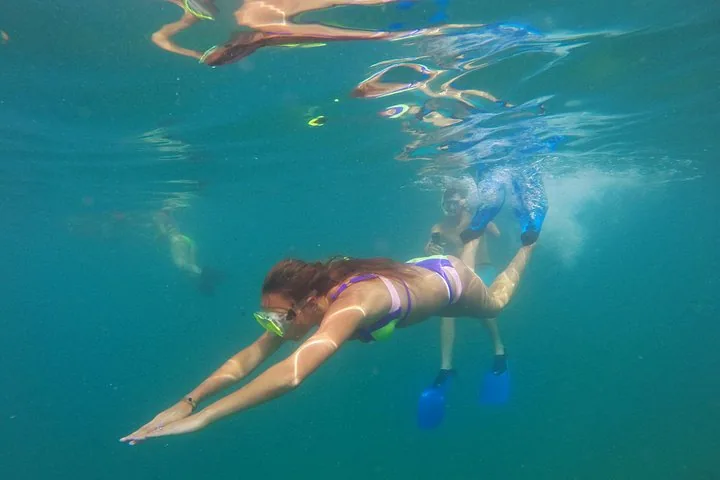
You can only reach the beaches by watercraft.
A water taxi from the Cabo San Lucas Marina or Medano Beach takes 15 to 30 minutes. Operators charge between $12 and $25 USD. They will drop you off at Lover's Beach and pick you up a few hours later. You cannot walk over the rocky cliffs from the mainland.
What should you pack for a beach drop-off?
Bring water shoes, a quick-dry towel, and cash for the water taxi.
Wear sturdy sport sandals with grip for the beach landing. You should also pack reef-safe sunscreen, swimwear, and a reusable water bottle to handle the Baja sun.
Questions travellers ask
Why is it called Divorce Beach?
It earned the name Divorce Beach because of its turbulent, dangerous waters. This directly contrasts with the calm, welcoming waters of neighboring Lover's Beach.
Is El Arco free to visit?
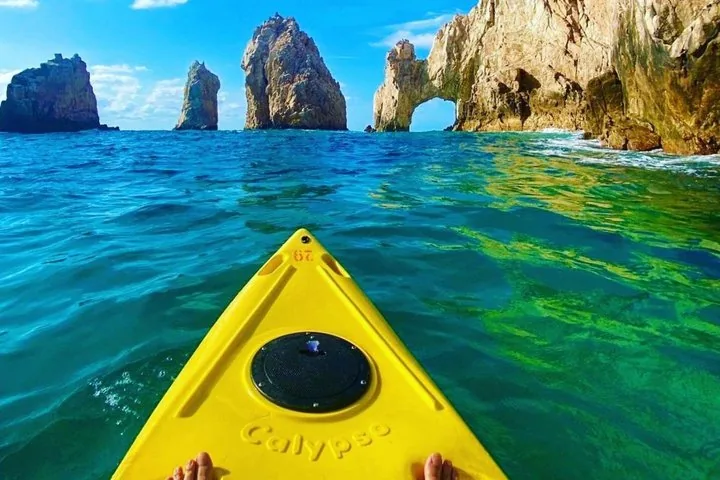
The arch itself is free to view. However, you must pay for a boat, water taxi, or kayak rental to reach it since you cannot walk from the mainland.
Can you walk to the Cabo Arch or the beaches?
No. Attempting to walk or climb over the rocky cliffs from the mainland is highly unsafe and discouraged. You must take a boat to reach the sand.